A rose bush that used to bloom every June is starting to open in May. The lavender wilts in August when it used to hold up very well five years ago. These shifts are not due to bad luck: the local climate of your garden has changed, and maintenance must follow suit.
Modified microclimates due to warming: adapting your garden maintenance
Have you noticed that some plants suffer more than before in the height of summer? The problem may not necessarily stem from the chosen variety, but from the microclimate of your plot. A wall facing full south, a hedge removed by a neighbor, or soil that dries out faster change the actual conditions at the base of each plant.
Further reading : Accessing Your Emails Online: Tips and Advice for a Secure Connection with Urban Group RATP
To explore the gardening solutions from Brico Déco Jardin, it’s worth first observing what has changed in your area. Place a thermometer in partial shade and another against a wall: the difference between the two reveals the local temperature range.
Mapping the warm and cool areas of your garden allows you to decide where to plant what. A corner that used to stay moist until June may now dry out as early as April. Adapting the mulching, the orientation of vegetable rows, or the choice of species to this concrete assessment changes the game much more than a standard seasonal calendar.
See also : Essential Tips and Advice for Supporting Your Child's Development and Well-Being
Staggering sowing rather than following the traditional calendar
The sowing dates printed on seed packets are based on old climatic averages. If your spring has become milder, your tomatoes can be transplanted earlier, provided you keep an eye on the last late frosts. Conversely, some salads bolt too quickly when the heat arrives sooner than expected.
The reliable reference is soil temperature. A surface soil temperature of 12 °C is sufficient for most spring sowings. A simple kitchen thermometer pushed five centimeters into the soil provides this information without any investment.
Living soil and mulching: the foundation of sustainable maintenance all year round
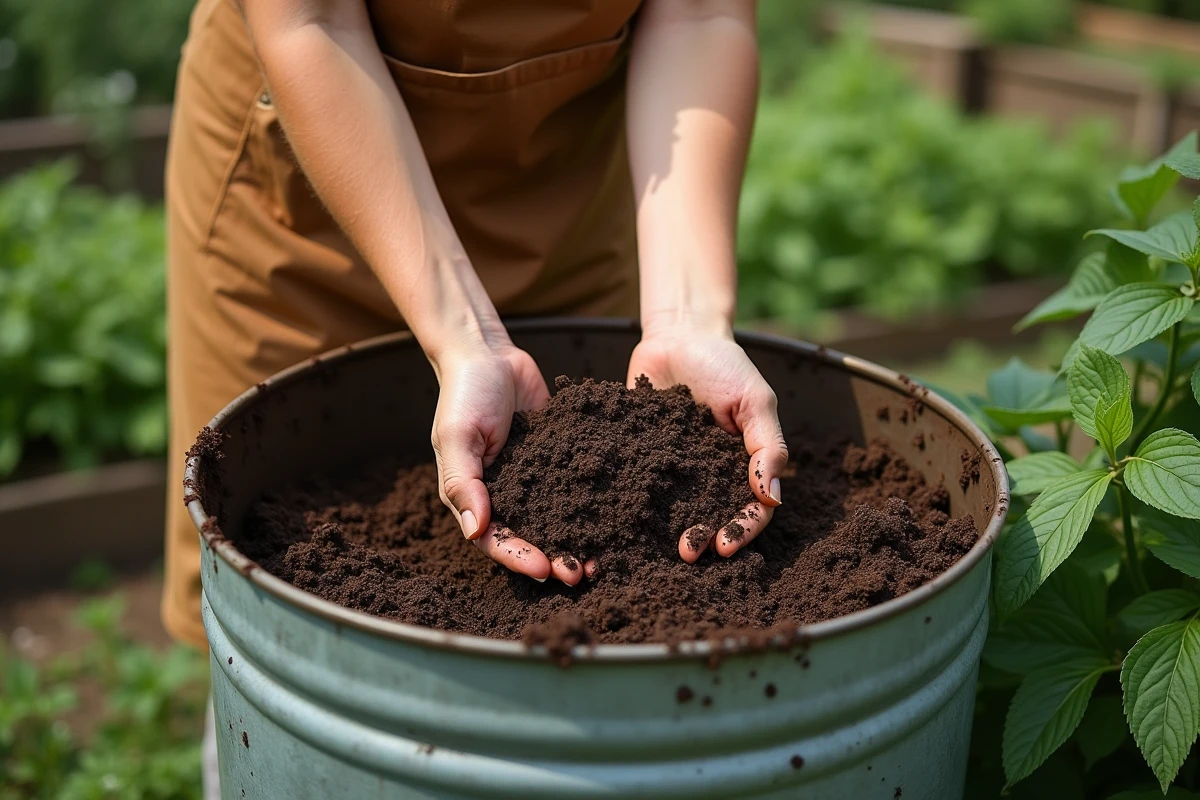
Before thinking about plants, look at the soil. Bare soil that cracks in summer and compacts under winter rain works against you. Organic mulching (dead leaves, pruning chips, straw) protects the earth from drying out, nourishes microorganisms, and reduces the need for watering.
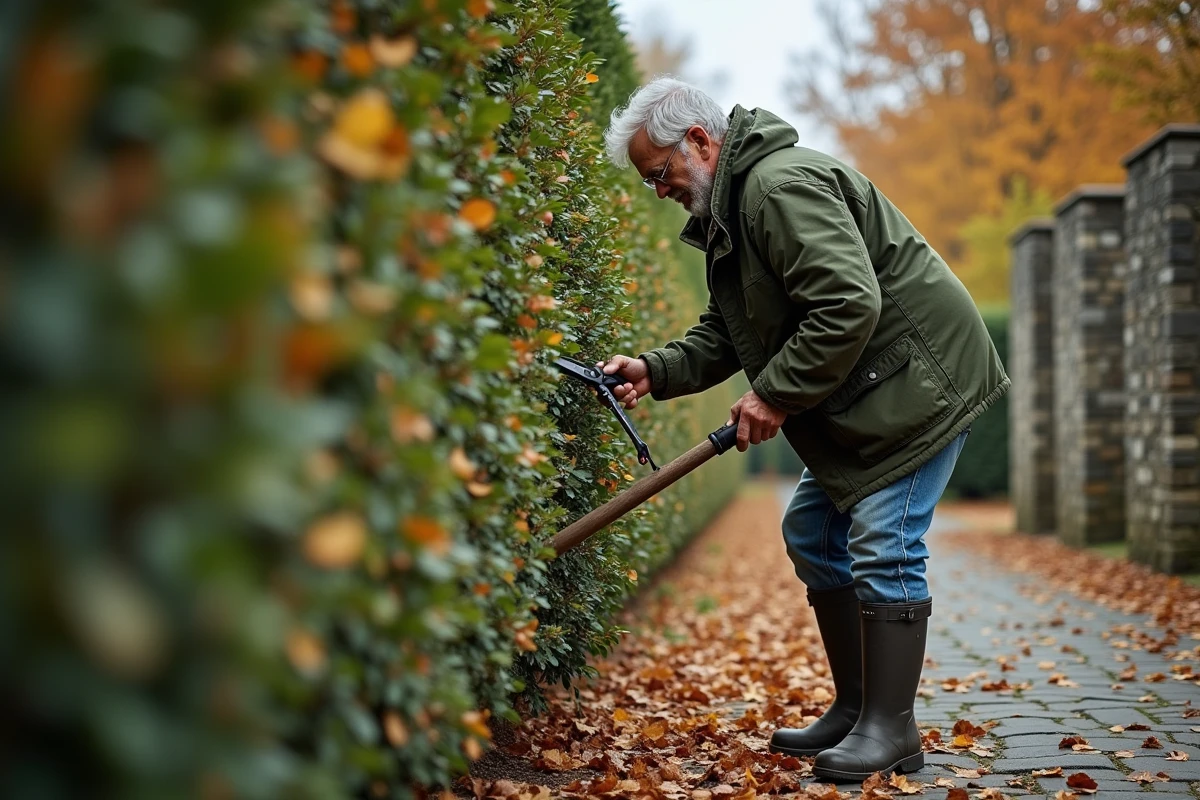
Applying mulch at least five centimeters thick significantly limits evaporation. In autumn, leave dead leaves at the base of shrubs rather than raking everything up: they form a natural cover that protects the roots from frost.
Maintaining the lawn without wasting water
The lawn is often the most water-intensive part of the garden. Mowing at a higher cutting height in summer helps the grass retain moisture at the root level. Cutting too short exposes the soil to direct sunlight and accelerates drying.
The study “Gardens in the City 2025” published by INRAE in February 2026 highlighted the increased resilience to early frosts observed on green roofs in urban areas. This finding translates to small gardens: a dense plant cover protects better than a closely mowed lawn, even in winter.
- Raise the cutting height a notch during hot periods to keep the soil shaded by the blades.
- Leave mowing residues in place (mulching): they decompose quickly and nourish the soil.
- Water early in the morning rather than in the middle of the day when evaporation is at its peak.
- Accept temporary yellowing in summer: most lawn grasses bounce back as soon as the rain returns.
Productive vegetable garden: choosing plants and protecting against insects
In the vegetable garden, the temptation is to plant everything at once in spring. Staggering the sowing of tomatoes, beans, or zucchinis over three to four weeks extends the harvest period and reduces the risk of losing everything in case of a heatwave or late frost.
Companion planting limits insect attacks without resorting to treatments. Marigolds at the base of tomatoes repel certain pests. Basil planted near tomato plants enhances their vigor and disrupts aphids.
Managing water in the vegetable garden with minimal resources
Watering at the base, slowly and deeply, is better than shallow daily watering. Water should reach the roots, not just wet the surface. A porous hose laid along the rows does the job with less effort.
Collecting rainwater in a tank remains the simplest method to reduce costs. Even a modest container can cover the needs of a small vegetable garden during dry weeks.
Robot mower or manual: which tool for your lawn
The practical guide “Innovative Tools for Gardens” by SNHF, 2026 edition, reports a notable reduction in manual interventions thanks to robot mowers, particularly on lawns in temperate oceanic climates. The machine mows little but often, which promotes dense grass and limits the proliferation of weeds.
A robot mower is especially suitable for relatively flat and enclosed areas. In a sloped or fragmented garden, the investment is less justified. The choice also depends on the area: below fifty square meters, a manual mower remains more practical.
- Robot mower: nearly autonomous maintenance, frequent and regular mowing, reduced noise.
- Manual or electric mower: lower purchase cost, suitable for small gardens or uneven terrain.
- Integrated mulching: available on both types, it avoids collecting mowing waste.

A garden that thrives throughout the year is not one where you work more, but one where every action is adjusted to the actual terrain. Observing the soil, measuring local heat, shifting habits by a few weeks according to the observed climate: these simple reflexes effectively replace generic calendars stuck on the fridge.