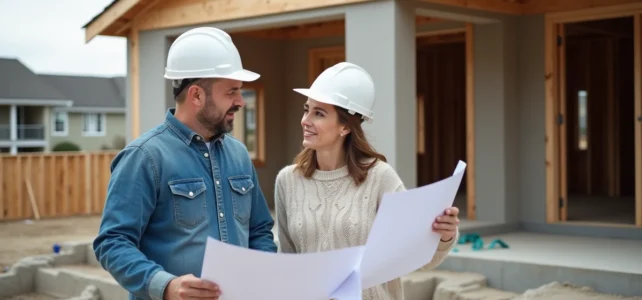
The majority of budget overruns in residential projects do not come from materials, but from last-minute changes made to the initial plan. Local regulations can impose unforeseen constraints, such as the choice of facade colors or the height of fences, sometimes disrupting even the best-established projections.
Some financial aids remain unknown, even though they can significantly reduce the costs of a renovation. Anticipating technical unforeseen events, often underestimated, determines the success or failure of the project.
Read also : Tips and Inspirations for Organizing an Unforgettable Dream Trip Anywhere in the World
Successfully renovating: where to start and what pitfalls to avoid?
Before considering any changes in your home, take the time to lay the groundwork. Clarify your project, target your priorities, identify constraints, and define a realistic timeline. Success is not just about a simple task list: it involves questioning your habits, anticipating the evolution of needs, and examining each technical diagnosis seriously.
The budget, too often underestimated, structures the entire project. Allow a margin for the unexpected. Break down expenses item by item: materials, fees, administrative procedures imposed by the local urban planning plan. There are many aid programs, some little known, so inform yourself about the possibilities, compare, and seek support suited to your situation.
See also : Broken Glass in the Pool: Dangers, Solutions, and Tips for Effective Action
Surround yourself with reliable professionals. The architect, the project manager, the specialized craftsmen: each has a specific role and their expertise guarantees the quality of the project. Check their references, verify certifications, and ensure the clarity of quotes and contracts. Transparency is not a luxury; it is a necessity.
Some pitfalls await the most motivated: unrealistic timelines, forgotten costs, neglected regulatory constraints. At every stage, remain attentive to the consistency of your choices, the compliance of interventions, and the sequence of work. To go further and benefit from concrete advice, the site https://www.projet-habitat.fr/ is full of practical resources, real-life experiences, and tips to move forward smoothly in your renovation.
Planning your work with peace of mind: practical tips for stress-free organization
Anticipating each step is the backbone of a controlled renovation project. Before even launching the first intervention, build a solid timeline. Break the project down into major phases to better organize the process:
- consultation with craftsmen
- submission of the preliminary work declaration
- preparation of the renovation site
This breakdown makes managing unforeseen events simpler, eases tensions, and clearly distributes roles. With a detailed schedule, the availability of professionals and the arrival of materials align more easily. Prioritize the steps, distinguishing major work from finishing touches. For complex renovations, a project manager can prove invaluable: their regular oversight ensures quality and adherence to deadlines at every stage.
Some tips to structure your organization:
To ensure each phase runs smoothly, here are concrete measures to adopt:
- Establish a dashboard listing key dates and contact details of all craftsmen involved in your home.
- Check the obligations of the local urban planning plan, especially for the preliminary declaration or any authorization requests.
- Systematically verify that each participant has the necessary insurance to secure the site.
Being involved from start to finish inspires confidence and control. Take the time to validate each step before moving to the next. A rigorous follow-up, open communication with your contacts, and vigilance regarding unforeseen events will allow you to guide your project toward a positive outcome, without unnecessary stress.

Inspiring ideas to imagine and personalize your future renovated home
Reinventing space is the common thread of a successful home renovation. Start with light. Replacing old windows with high-performance joinery brings clarity and thermal comfort. To expand without distorting the existing structure, consider extensions, elevations, patios, or glass roofs: these modifications transform the atmosphere and flow within the home.
Redesigning the interior also means adapting uses. Open the kitchen to the dining room, remove partitions to create an airy living space, or prefer modularity with glass partitions. Modernizing the bathroom can involve a walk-in shower, custom storage solutions, or the use of robust and durable materials.
Interior layout then becomes a playground. Dare to use natural materials: stone, wood, polished concrete. Experiment with color palettes, contrasts, and vary textiles. The eye of an interior designer will refine every detail, from the overall plan to the choice of furniture.
Energy renovation is an essential lever: careful insulation, efficient heating, quality glazing. Every action counts, to marry aesthetics with sobriety.
To go further in personalization, here are some concrete avenues to explore:
- Focus on indirect lighting to enhance volumes and create distinct atmospheres.
- Integrate custom storage solutions to visually lighten the space.
- Combine various styles, from contemporary to industrial, to give your interior a true uniqueness.
Renovating is much more than a matter of plans or materials. It’s the opportunity to shape a place in your image, to combine practicality and pleasure, to build a living environment that reflects you and evolves with you. At every step, the project refines, clarifies, until it shapes a space where every detail makes sense. The dream home is just waiting for your choices to become a reality.