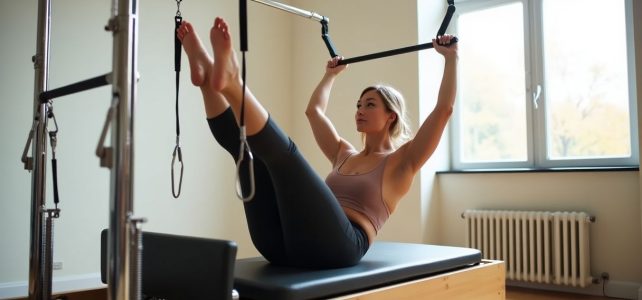
Born from the creative mind of Joseph Pilates, the Pilates Reformer is a method that revolutionizes the practice of physical exercises. Designed in the early 20th century, this system stands out for its gentle and effective approach to strengthening the body. Joseph Pilates developed this method with the idea of uniting body and mind, thus allowing for a complete and harmonious workout.
How the Pilates machine works
The Pilates Reformer machine consists of a frame resembling a bed, equipped with a mobile carriage and adjustable springs. These springs provide resistance tailored to each movement, allowing for deep muscle work without impact. Thanks to the straps and bars, movements can be both assisted and resisted, ensuring flexible use suitable for all levels.
Further reading : Origin and meaning of the expression like father, like son
Differences from mat Pilates
The Pilates Reformer differs from traditional Pilates through the use of the machine, which adds a dimension of resistance and support. While mat Pilates uses only body weight, the machine allows for modulation of exercise intensity through the springs. Thus, posture is better supported and movements are amplified, optimizing deep muscle work.
Benefits for the body
Muscle strengthening
The Pilates Reformer is recognized for its effectiveness in muscle strengthening. By engaging the deep muscles, this discipline helps to strengthen and tone the entire body. Reformer exercises are designed to target deep muscles, contributing to a refined silhouette and improved posture.
You may also like : MSC Cruises: Travel on the Waves of Serenity
Improvement of posture
One of the many benefits of Pilates Reformer is the noticeable improvement in posture. By working on body alignment and engaging stabilizing muscles, the Pilates Reformer helps correct poor postures often caused by sedentary habits. This also reduces the risk of back pain and musculoskeletal issues.
Deep muscle work
The Pilates Reformer uses spring resistance to target muscles deeply. Stabilizing, abdominal, and back muscles are particularly engaged, helping to develop balanced and resilient musculature. This approach promotes harmonious muscle development and improves flexibility and balance.
Practicing Pilates Reformer classes
Typical session structure
A typical Pilates Reformer session lasts about an hour and begins with a gentle warm-up to prepare the body. Exercises are then sequenced, targeting different muscle groups and always accompanied by a focus on breathing and movement control.
Frequency and duration of sessions
For optimal results, it is recommended to practice Pilates Reformer two to three times a week. This frequency allows for effective progress while giving the body time to recover between sessions.
Guidelines for practicing Pilates Reformer
The practice of Pilates Reformer is accessible to everyone, regardless of fitness level. Exercises can be modified to suit individual needs. For those wishing to try Pilates Reformer in Paris, there are classes suitable for all levels. It is also possible to practice at home with a personal machine, although this requires an initial investment.
Precautions to take
Although Pilates Reformer is a gentle activity, it is always recommended to consult a doctor before starting, especially in cases of pregnancy or post-injury rehabilitation. By following these precautions, this discipline can prove extremely beneficial for physical and mental well-being.
Possibility of home classes
Home Pilates Reformer is an option for those who wish to integrate this practice into their daily routine without traveling. Online classes and videos can guide users, although professional supervision is recommended for beginners.