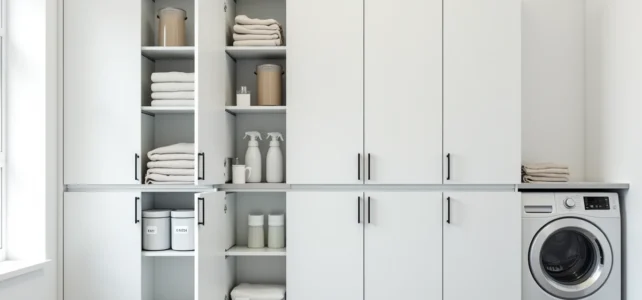
A plastic cabinet in the bathroom does not have the same constraints as a plastic cabinet in a child’s room. The material is the same, resin or polypropylene, but the requirements for moisture resistance, stability, or finish change from one room to another. Choosing a suitable plastic cabinet means thinking room by room, taking into account what is being stored, the available space, and the specific risks of each environment.
Decorative finish plastic cabinets: the new generation for living spaces
You may have noticed that the plastic cabinets sold today look nothing like those from five years ago? Since 2023-2024, several brands have been offering textured resin models that mimic wood, caning, or matte surfaces. These cabinets target the living room, entryway, or bedroom, not just the garage.
Further reading : Why and how to log in to the ENT U Bordeaux account?
This evolution changes the game. A plastic cabinet can replace a dresser or a sideboard in a living space if the finish is well done. Textured polypropylene with a wood effect, for example, blends into an interior without giving the impression of a utilitarian piece of furniture.
For an entryway, a low model with hinged doors and two internal shelves is sufficient to store shoes and accessories. In a living room, opt for a taller model with several compartments to combine storage for books, decorative items, and cables. Among Brico Dépôt plastic cabinets, some models adopt these decorative codes at accessible prices.
See also : How to Navigate Download Sites in 2024: The Case of Zone-Téléchargement
The common pitfall: buying a plastic cabinet with a “wood effect” without checking the thickness of the walls. A panel that is too thin warps under the weight of books or dishes. Press on the front in the store or check the maximum load per shelf before purchasing.
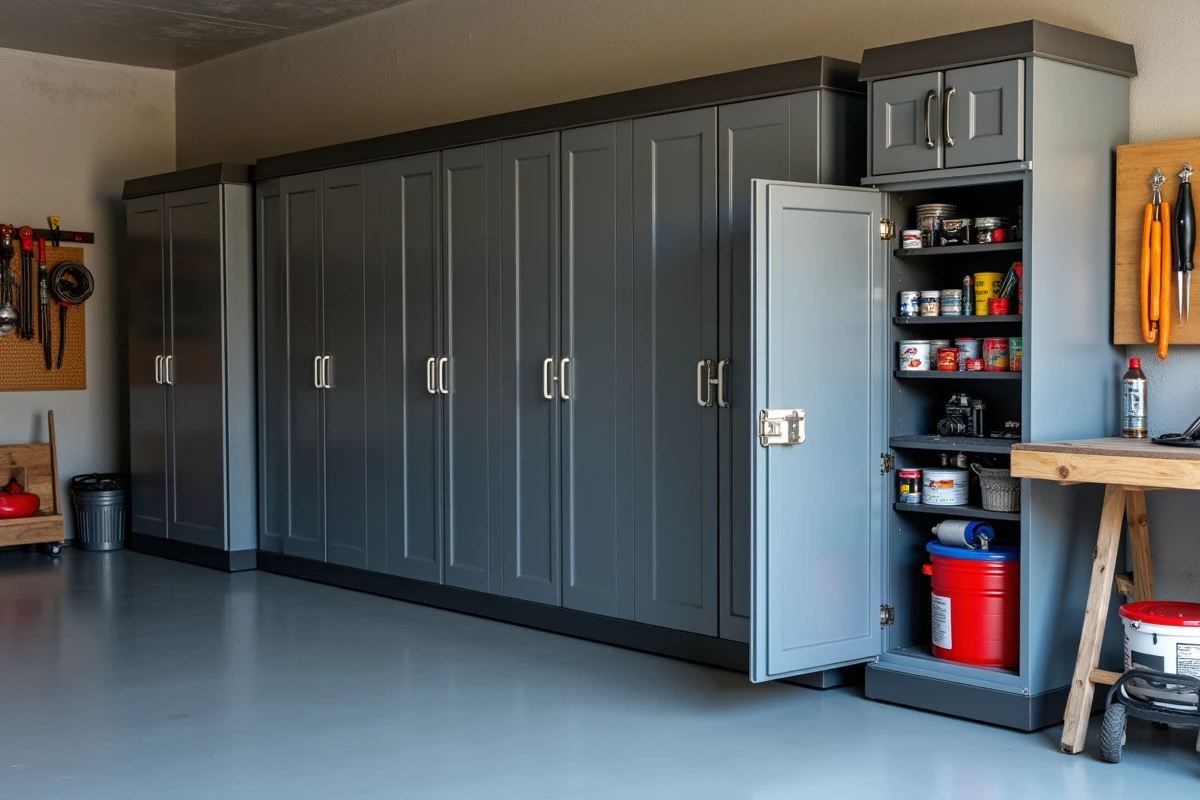
Moisture resistance: bathroom, laundry room, and kitchen
Plastic naturally resists water, unlike melamine, which swells with prolonged exposure to moisture. This is the main argument for choosing a plastic cabinet in a bathroom or laundry room.
Not all resins are equal when it comes to moisture. Polypropylene (PP) and high-density polyethylene (HDPE) handle water splashes and condensation well. Low-quality PVC can yellow over time, especially if exposed to the heat of a dryer.
For the laundry room, look for a model with adjustable height shelves. Laundry detergent bottles and cleaning products do not have the same dimensions as folded towels. A cabinet with at least three adjustable levels offers the necessary flexibility.
In the kitchen, the plastic cabinet mainly serves as a complement to the pantry or storage area. Ensure that the doors close properly: in a room where cooking steam and grease circulate, poorly sealed doors allow greasy dust to enter, which is difficult to clean off the internal shelves.
Stability and child safety: a criterion often overlooked for plastic cabinets
Why does this criterion deserve special attention? Because a plastic cabinet is lighter than a wooden or metal cabinet. This lightness, often presented as an advantage for moving, becomes a tipping risk in a child’s room.
An anti-tip kit with wall mounting has become a standard on recent models. The European Commission and national regulatory authorities are strengthening stability recommendations for all storage furniture, including plastic. Check that the kit is included in the packaging, and use it systematically.
Here are a few points to check before purchasing for a child’s room:
- The furniture comes with a wall anchoring system provided, with screws suitable for the type of wall (drywall, concrete, brick)
- The doors do not have sharp edges, and the hinges are protected to avoid pinching fingers
- The center of gravity remains low even when the upper shelves are loaded, which requires a wide base or weighting at the bottom
- The maximum load per shelf is indicated by the manufacturer, not just guessed
A model without a maximum load indication is a warning sign. Move on.

Plastic cabinet with hinged doors or sliding doors: what type of storage according to space
The choice between hinged doors and sliding doors primarily depends on the floor space in front of the cabinet. Sliding doors are suitable for narrow hallways and small rooms where opening a hinged door would block the passage.
Hinged doors provide full access to the inside of the furniture with a single opening. This is an advantage in a garage or laundry room where you often look for a specific item at the back of a shelf. Sliding doors, on the other hand, only reveal half of the cabinet at a time.
To organize the interior, think about what you are actually storing:
- Clothes on hangers: plan for a hanging rod, available as an option on some high-end plastic models
- Folded linen, towels, sheets: flat shelves spaced twenty to thirty centimeters apart are sufficient
- Tools, cleaning products, heavy items: prefer reinforced shelves and adjustable spacing
A well-sized cabinet is better than two small ones stacked or placed side by side. Measure the height under the ceiling, the available width, and the useful depth before ordering. A mistake of a few centimeters in depth can prevent the doors from closing against a wall.
Maintenance and lifespan: what makes the difference between two cabinets at the same price
Maintaining a plastic cabinet comes down to a wipe with a damp sponge. The material requires no treatment, varnish, or sanding. This is a real advantage compared to raw wood or metal that can rust.
The lifespan, however, varies greatly. The thickness of the walls and the quality of the hinges determine the longevity of the furniture. Metal hinges integrated into the resin withstand better than fully plastic hinges, which eventually break after a few thousand openings.
Yellowing in sunlight remains the main drawback of light plastic cabinets placed near a window. If the location is exposed to direct light, opt for a dark color or a model treated with UV protection. Manufacturers do not always mention this protection: ask the question or consult the complete technical sheet.
The last criterion to consider before finalizing your choice is recyclability. Polypropylene is easily recyclable at the end of its life, which is not the case for all composite plastics. Check the recycling pictogram on the packaging or the manual to see if the furniture can be recycled rather than sent to landfill.